Delivery is the moment when pregnancy ends and you finally meet your baby. It is a physical, emotional and often intense experience. Good preparation, clear information and a team you trust help make this moment safer and calmer.
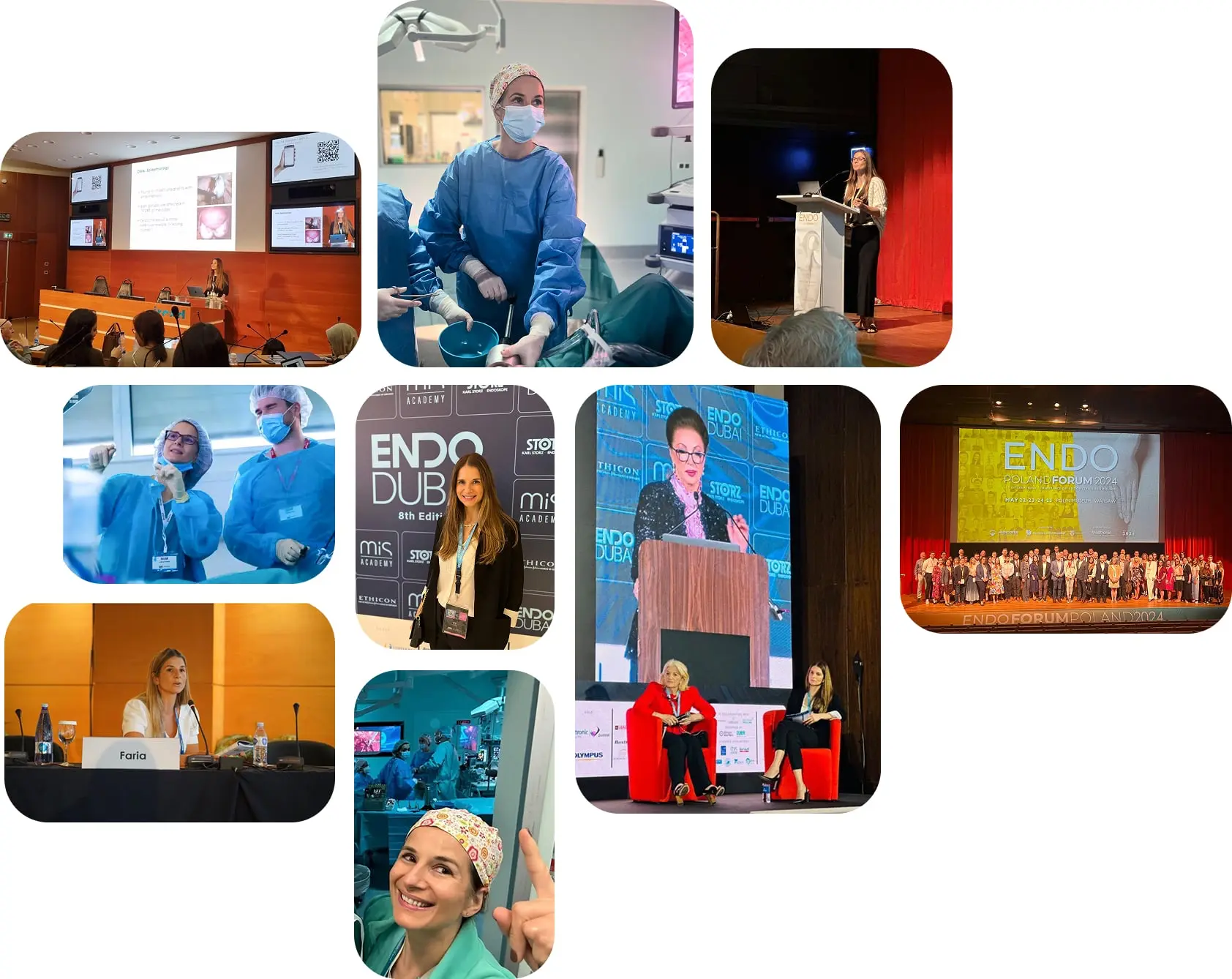
In Lisbon, Dra. Joana Faria accompanies deliveries at Hospital da Luz Lisboa, a private hospital with a dedicated maternity unit. She follows women and couples in Portuguese, English, French, and Spanish.
Delivery is part of a broader journey that includes preconception consultation, pregnancy surveillance and post partum follow up.
What it is
Delivery is the process in which the baby and the placenta are born, either through the vagina or through a caesarean section. It can start spontaneously or be induced for medical reasons. The goal is always to protect the health of the woman and the baby while respecting your preferences as much as possible.
The main types of delivery are:
- Spontaneous vaginal birth when labour begins on its own and the baby is born through the vagina.
- Induced labour when medicines or procedures are used to start or strengthen contractions.
- Instrumental vaginal birth with the use of vacuum or forceps in specific situations at the end of labour.
- Caesarean section when the baby is born through an incision in the abdomen and uterus, planned or decided during labour.
There is no single right way to give birth. The safest and most appropriate option depends on your history, the pregnancy, the baby's position and how labour progresses.
When to go to hospital and when to worry
In the last weeks of pregnancy, many women wonder when it is the right time to go to the maternity unit. During pregnancy surveillance, you and your doctor agree on a general plan. In practice, you should seek care earlier if certain warning signs appear.
Near term, you should contact the maternity unit or go to hospital if:
- You have regular, strong contractions every 3 to 5 minutes for at least one to two hours, especially if this is not your first baby.
- You notice a leak or a gush of clear or slightly pink fluid from the vagina, suggesting rupture of membranes.
- You have heavy vaginal bleeding, especially with clots or pain.
- You feel a clear decrease or absence of the baby's movements.
- You have a fever, severe headache, visual changes, intense pain in the upper abdomen or difficulty breathing.
If you suspect your waters have broken, if bleeding is more than light spotting or if you are unsure, it is safer to be checked. Do not stay at home worrying alone.
Admission and exams: what to expect
When you arrive at the maternity unit, you are first seen in triage. The team asks about your symptoms, pregnancy history and birth plan. Then initial assessments are done.
These usually include:
- Measurement of blood pressure, pulse and temperature to assess your general condition.
- Cardiotocography (CTG), a tracing that monitors the baby's heart rate and uterine contractions.
- Abdominal examination to check the baby's position and the height of the uterus.
- Vaginal examination to evaluate dilation, effacement and the baby's station, when indicated.
- Speculum examination to confirm rupture of membranes if there is loss of fluid.
- Blood tests and, in some cases, urine tests.
Once labour is confirmed and admission is indicated, you are taken to a labour room or operating theatre depending on the plan. Monitoring is adapted to your risk profile and to how labour is progressing.
Throughout the process, there is time to clarify doubts about procedures, pain relief options and what the next steps are likely to be.
Birth options, pain relief and realistic expectations
During labour, decisions are made step by step. Even if you prepared a written birth plan, it is important to keep some flexibility so that the team can adapt to what happens in real time.
Main aspects include:
- Onset of labour - spontaneous or induced, depending on gestational age, the cervix, your history and risk factors.
- Pain relief - non pharmacological measures such as movement, breathing techniques, massage or showers, and pharmacological options such as epidural analgesia or other medicines, according to your preferences and medical safety.
- Monitoring - continuous foetal monitoring, especially in high risk pregnancies or with induction.
- Mode of birth - vaginal, assisted with instruments in certain situations, or caesarean section when this becomes the safest option.
Each choice has benefits and limitations. For example, epidural analgesia is very effective for pain relief but may change the sensation of contractions. Caesarean section can be life saving in some situations but is major surgery with its own risks and recovery.
Realistic expectations help you be prepared if the birth is different from what you imagined. The priority is always the safety and wellbeing of the woman and baby, with as much respect as possible for your wishes.
How Dra. Joana Faria supports you during labour and birth
Dra. Joana Faria combines evidence based obstetrics with a calm and empathetic communication style. She knows that childbirth is a unique moment in each woman's life and that information and respect are as important as technical skills.
In her work she:
- Encourages you to prepare questions and preferences in advance during pregnancy surveillance.
- Explains clearly the reasons for induction, the use of instruments or a caesarean section when these are recommended.
- Discusses pain relief options early, including epidural, so that decisions are not made under pressure at the last minute.
- Works closely with the team at Hospital da Luz Lisboa, including anaesthesiologists, neonatologists and nurses.
- Respects, as far as safely possible, your wishes about the presence of your partner or support person, early skin to skin contact and breastfeeding.
- Ensures continuity after birth, with post partum follow up that includes contraception counselling and emotional support.
The aim is that you feel informed, accompanied and safe during labour and birth, even when plans need to change to protect your health and your baby's health.