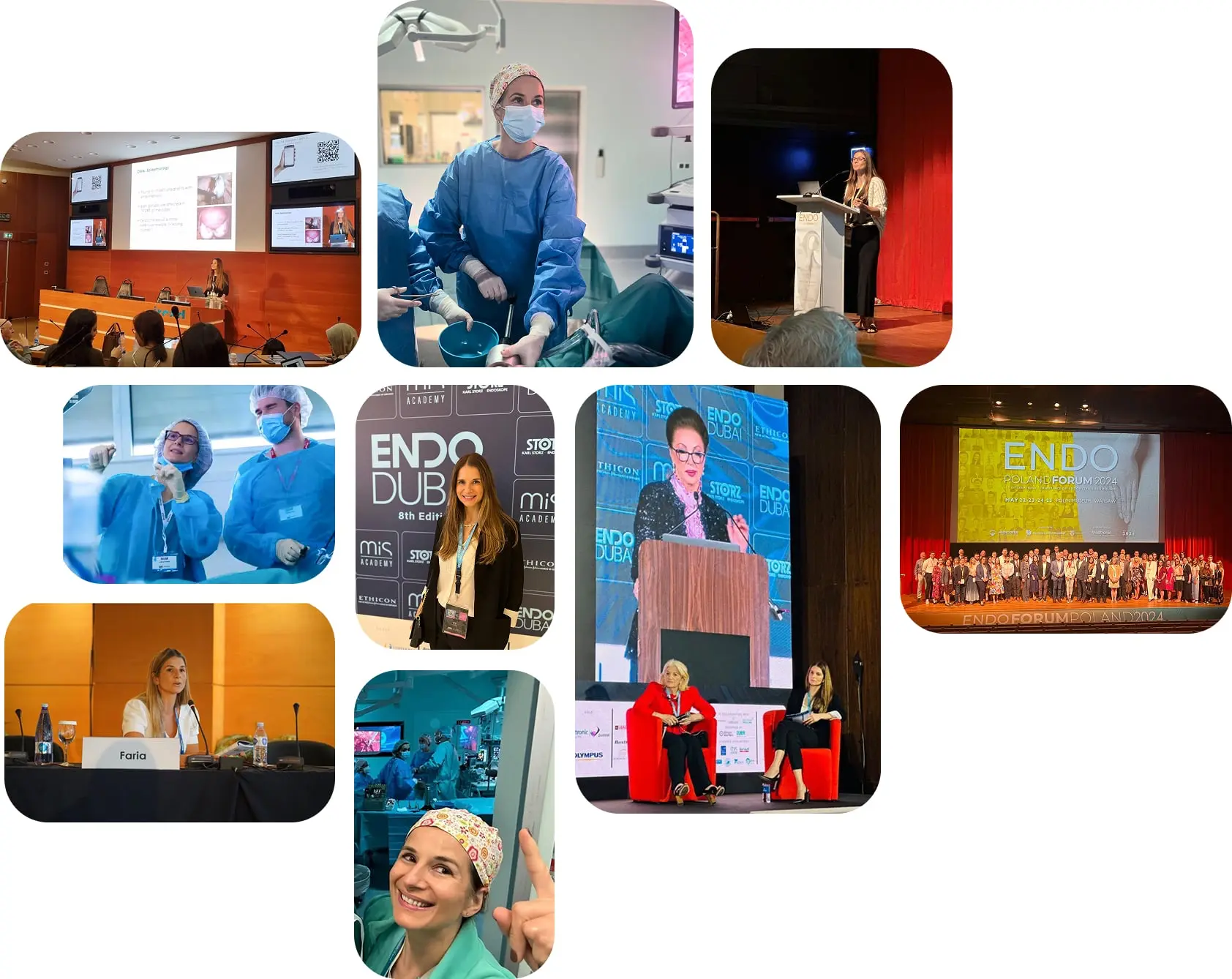
Maternal-fetal medicine focuses on the health of the pregnant woman and the baby before conception, during pregnancy, at birth and in the first weeks after delivery. It combines medical expertise with close emotional support, so that you feel informed and accompanied at every step.
In Lisbon, Dra. Joana Faria provides maternity care in Portuguese, English, French, and Spanish. Pregnancy consultations take place in clinics in central Lisbon and deliveries are organised at Hospital da Luz Lisboa, a hospital with a dedicated maternity unit.
Her work covers the full journey, from preconception counselling and pregnancy surveillance to delivery and post partum follow up. If you wish, you can read more on the pages Preconception consultation, Pregnancy surveillance, Delivery and Post partum follow up.
What it is
Maternal-fetal medicine is the part of obstetrics that takes care of the woman and baby during pregnancy, especially when there are risk factors. The goal is to reduce complications, detect problems early and help you make decisions that are aligned with your values.
Pregnancy care usually includes:
- Preconception counselling when you are thinking about pregnancy and already have questions or medical conditions.
- Early pregnancy confirmation and planning of follow up.
- Routine care for normal pregnancy, with regular visits, ultrasounds and blood tests.
- Specific management for high risk pregnancies, such as hypertension, diabetes, twins, history of complications or other medical diseases.
- Preparation for birth and for the first weeks with the baby, including breast feeding support and contraception after delivery.
For many women, pregnancy is both exciting and stressful. Having a clear plan and a doctor who explains tests and options in a simple way helps reduce anxiety and improve safety.
Main situations and when to seek care
You do not need to be considered high risk to benefit from specialised maternal-fetal care. It is a good idea to book an appointment if:
- You are planning a pregnancy and have questions about medicines, chronic diseases, age, previous surgeries or genetic risks.
- You have just had a positive pregnancy test and want to confirm the pregnancy, estimate dates and plan follow up.
- You have a history of miscarriage, preterm birth, preeclampsia, gestational diabetes, growth restriction or other complications.
- You already know that the pregnancy is high risk, for example due to twins, pre existing hypertension, diabetes, autoimmune disease or clotting disorders.
- You feel anxious, overwhelmed or unsure because you are receiving different opinions and would like a clear explanation of your options.
You should seek urgent care rather than waiting for a routine appointment if you are pregnant and experience any of the following warning signs:
- Heavy vaginal bleeding, especially with clots or pain.
- Strong abdominal pain or contractions that do not improve with rest.
- Leakage of fluid from the vagina that you cannot control.
- Fever, chills or signs of infection.
- Sudden swelling of face or hands, severe headache, visual changes or difficulty breathing.
- A clear decrease in the baby’s movements after 28 weeks.
In these situations you should contact emergency services or the maternity triage of the hospital where you are being followed. Do not wait at home to see if things improve.
Diagnosis and pregnancy follow up: exams and what to expect
Pregnancy follow up is adapted to your personal situation, but it usually includes scheduled visits and a series of key exams. At the first consultation, Dra. Joana Faria takes a detailed history, reviews previous pregnancies and medical conditions and performs a physical and gynecologic examination if needed.
Typical exams during pregnancy include:
- Blood and urine tests to check your blood group, anaemia, infections, thyroid function and other parameters.
- First trimester ultrasound to confirm the location of the pregnancy, the number of babies and the estimated due date, and to evaluate early anatomy.
- Screening for chromosomal and genetic conditions using combined screening, non invasive prenatal testing (NIPT) or other methods, according to your age, history and preferences.
- Second trimester anatomy scan to examine the baby’s organs and detect structural anomalies.
- Screening for gestational diabetes usually in the second trimester, especially if you have risk factors.
- Growth and wellbeing scans in the third trimester to follow growth, placenta and amniotic fluid, particularly in high risk pregnancies.
For high risk pregnancies, additional exams such as Doppler studies, echocardiography, repeated laboratory tests and closer monitoring of blood pressure, weight and symptoms may be recommended.
At each visit, there is time to discuss symptoms, emotional wellbeing, work, travel, exercise, sexual activity and practical questions such as birth preparation classes and breast feeding.
Delivery and realistic expectations
One of the central questions in maternal-fetal medicine is how and where you will give birth. Delivery planning takes into account your medical history, the course of the pregnancy, the baby’s position and your preferences.
Main options include:
- Spontaneous vaginal birth when pregnancy is low risk and labour starts on its own.
- Induced labour when it is safer not to wait longer, for example in cases of prolonged pregnancy, growth restriction, hypertension or diabetes.
- Planned caesarean section when there are clear medical reasons or when a vaginal birth is not recommended.
- Unplanned caesarean section when, during labour, it becomes safer for you or the baby to be born by caesarean.
At Hospital da Luz Lisboa, deliveries take place in a maternity unit with access to anaesthesia, neonatal care and multidisciplinary support. Options for pain relief, such as epidural analgesia, are discussed in advance so that you know what to expect.
Realistic expectations are important. It is not always possible to follow a birth plan exactly as written. The priority is the safety of the woman and baby, while keeping you informed and involved in decisions whenever possible.
How Dra. Joana Faria approaches maternal-fetal medicine and delivery
Dra. Joana Faria combines up to date medical practice with a calm and clear communication style. She knows that each pregnancy is unique and that your personal history, fears and expectations matter as much as the medical details.
In her daily work she:
- Begins by listening to your story, including previous pregnancies, losses and fears, before looking at exams.
- Explains the purpose and limitations of each test in simple language, so you do not feel lost in acronyms and numbers.
- Adapts the follow up schedule to your risk profile, avoiding unnecessary tests but not missing important opportunities for prevention.
- Works closely with hospital teams, anaesthesiologists, neonatologists and other specialists when needed.
- Encourages the presence of your partner or support person during key moments, according to hospital policies.
- Ensures continuity from preconception to post partum, including contraception counselling and emotional support after birth.
The aim is that you feel safe, informed and respected throughout your pregnancy, birth and post partum period, with enough time and space to ask all your questions.