Post partum follow up is the medical care you receive after birth. It covers the first days and weeks, but also the months after delivery when your body and life are adapting again.
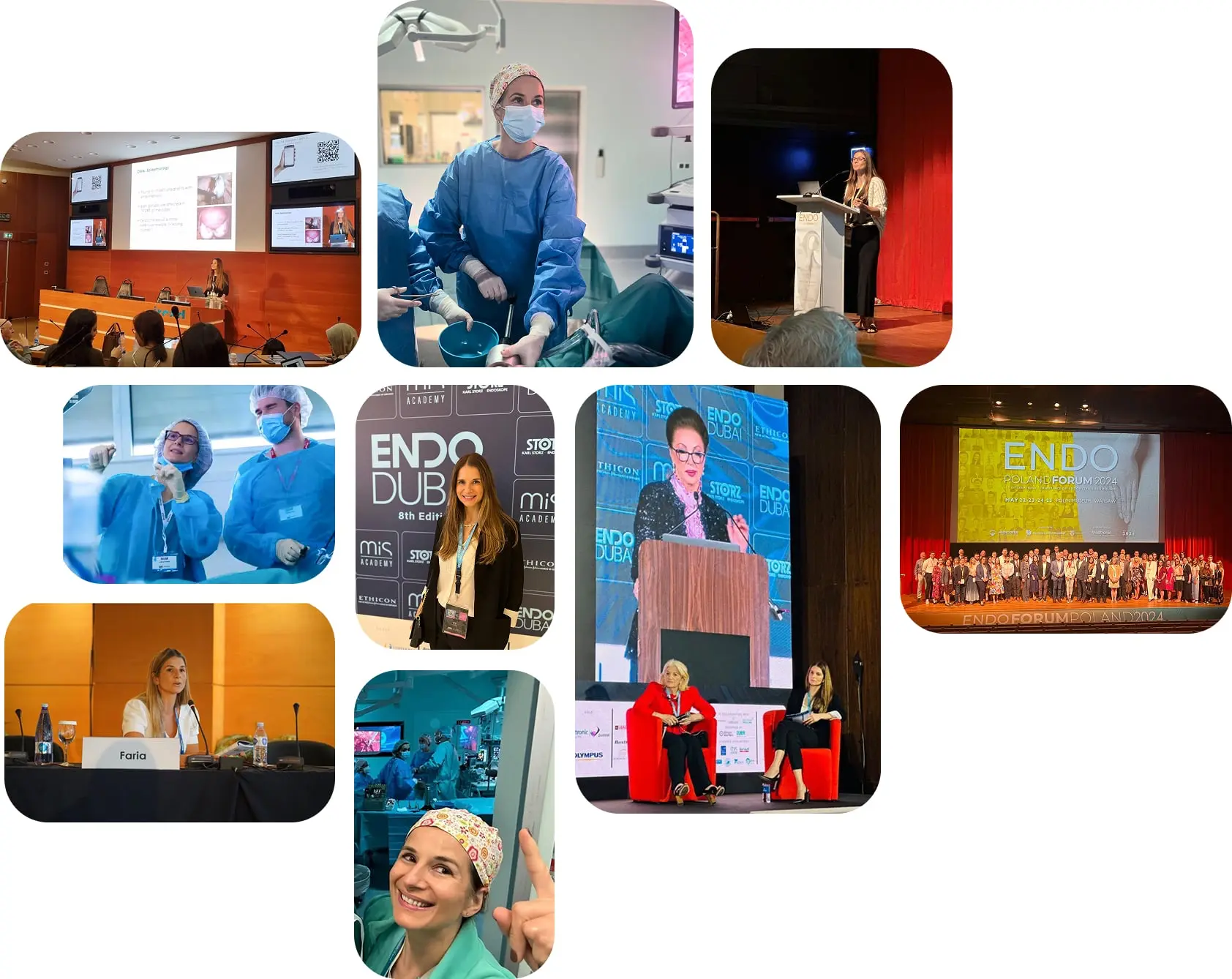
In Lisbon, Dra. Joana Faria offers post partum consultations in Portuguese, English, French, and Spanish. She sees women after vaginal birth or caesarean section, whether the birth took place at Hospital da Luz Lisboa or in another maternity unit.
Post partum follow up is a natural continuation of pregnancy surveillance and delivery. It is also an opportunity to prepare the next steps, including contraception and long term gynaecological care.
What it is
Post partum follow up is a structured programme of care after birth. It includes at least one post partum consultation, usually around 4 to 8 weeks after delivery, and earlier contact if needed.
During these visits, the focus is on several areas:
- Physical recovery of the uterus, perineum and abdominal wall.
- Caesarean or episiotomy scars, bleeding and pain.
- Breastfeeding or bottle feeding, breast problems and feeding choices.
- Sleep, fatigue, mood and emotional adaptation to life with a baby.
- Sexuality, pelvic floor symptoms and urinary or anal incontinence.
- Contraception and planning of future pregnancies.
The aim is not only to check if everything is normal, but to listen to what you are living, answer questions and propose concrete solutions.
Main concerns after birth and when to worry
After delivery, many changes are normal, but some require urgent medical attention. Knowing the difference helps you react in time.
You should seek urgent care if, in the weeks after birth, you experience:
- Heavy vaginal bleeding that soaks pads very quickly or contains large clots.
- Fever, chills, foul smelling vaginal discharge or severe pelvic pain.
- Redness, heat, discharge or increasing pain at a caesarean or episiotomy scar.
- Shortness of breath, chest pain or sudden pain and swelling in one leg.
- Severe headache with visual changes or high blood pressure readings.
- Thoughts of harming yourself or the baby, or feeling unable to cope with everyday tasks.
These symptoms can indicate complications such as infection, thrombosis, severe hypertension or post partum depression. In these cases, you should not wait for the routine check up.
You should also contact your doctor if bleeding returns after having almost stopped, if breastfeeding is very painful, or if you feel that something is not right even if you cannot describe it clearly.
Post partum assessment: exams and what to expect
At the main post partum consultation, Dra. Joana Faria reviews your pregnancy, birth and early days at home. She asks how you are feeling physically and emotionally, how feeding is going and what your biggest concerns are.
The visit may include:
- Measurement of blood pressure, pulse and weight.
- Review of bleeding pattern, pain, urinary and bowel habits.
- Breast examination if you are breastfeeding or have breast symptoms.
- Inspection of scars after caesarean section or episiotomy and assessment of healing.
- Pelvic examination when appropriate, to evaluate uterus, vagina, cervix and pelvic floor.
- Discussion of test results from pregnancy and birth, and planning of any further exams if needed.
It is also the moment to talk about sexuality, resuming physical activity, returning to work and practical organisation at home.
Treatment options, support and realistic expectations
Many post partum discomforts improve with time, but that does not mean you have to suffer in silence. There are several ways to support recovery.
Depending on your situation, care may include:
- Pain relief medicines that are compatible with breastfeeding, if needed.
- Local treatments or small procedures for scars that are painful or healing poorly.
- Referral to pelvic floor physiotherapy in case of perineal trauma, incontinence or pelvic heaviness.
- Support for breastfeeding difficulties, including sore nipples, engorgement or mastitis.
- Individual counselling on contraception that fits your health, your wishes and whether you are breastfeeding.
- Screening and support for post partum anxiety or depression, with referral to mental health professionals when appropriate.
Recovery after birth is not linear. It is normal to have good days and harder days. Realistic expectations and a clear plan can reduce guilt and pressure, especially in the first weeks.
How Dra. Joana Faria approaches post partum follow up
Dra. Joana Faria sees post partum care as an essential part of obstetrics, not as a quick final visit. She knows that many questions only appear after you are at home with the baby.
In her practice she:
- Provides a calm space where you can speak openly about your experience of birth, whether vaginal or caesarean.
- Explains what is expected in terms of bleeding, pain, scars and mood, so that you can recognise warning signs.
- Involves your partner when you wish, acknowledging that post partum adaptation affects the whole family.
- Coordinates care with paediatrics, pelvic floor physiotherapy and mental health when needed.
- Connects post partum follow up with long term gynaecological care, including prevention and regular check ups.
The aim is that you feel supported and not alone during the transition from pregnancy to parenthood, with clear guidance adapted to your reality.