Pregnancy surveillance is the regular medical follow up during pregnancy. It includes consultations, ultrasounds and blood tests that monitor your health and the development of the baby. The aim is to detect problems early, prevent complications and help you feel informed at every stage.
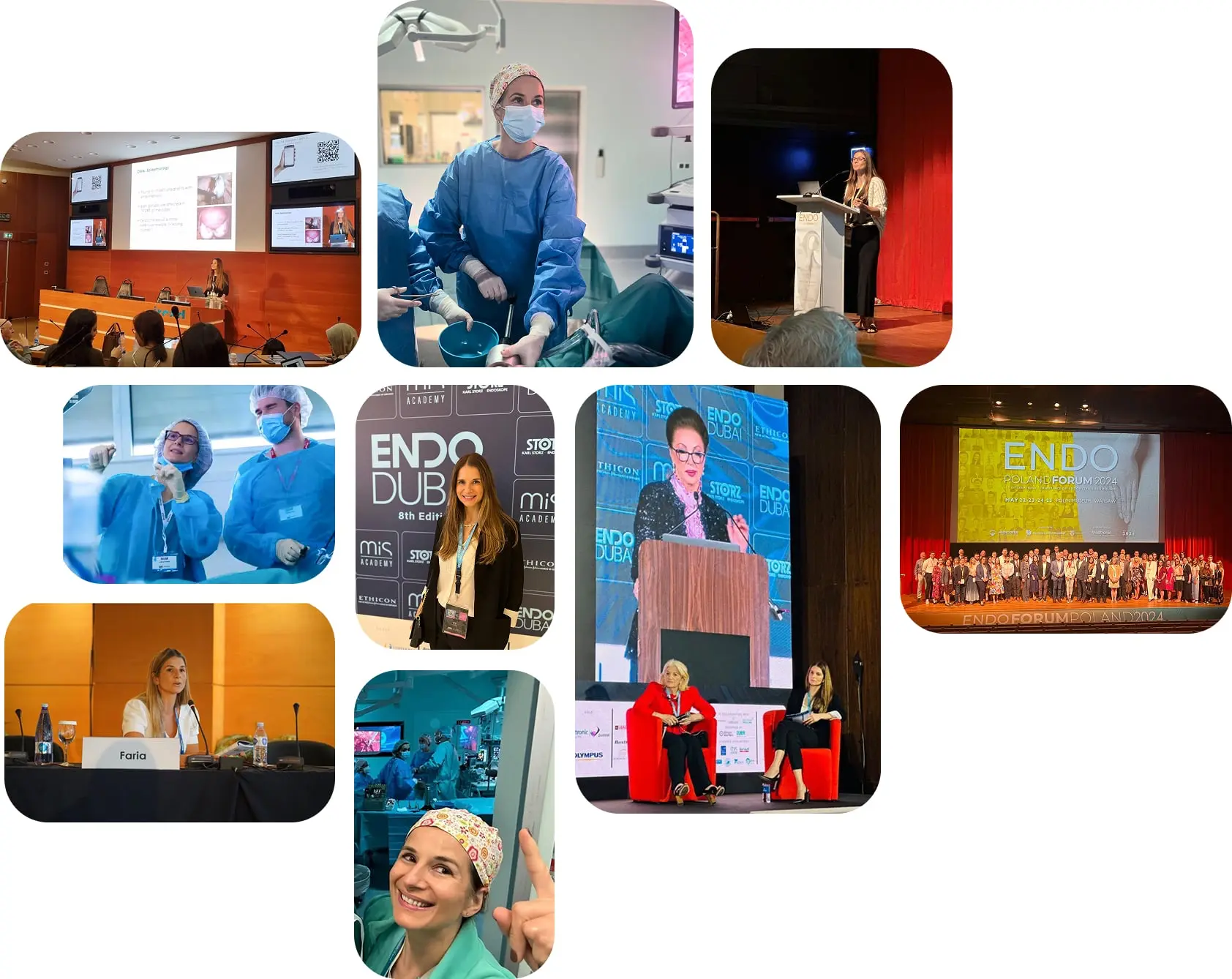
In Lisbon, Dra. Joana Faria follows normal and high risk pregnancies in Portuguese, English, French, and Spanish. She sees women and couples in clinics in central Lisbon and organises deliveries at Hospital da Luz Lisboa.
Pregnancy surveillance is part of a wider journey that often starts with a preconception consultation and continues through delivery and post partum follow up.
What it is
Pregnancy surveillance is a structured follow up plan during pregnancy. It is adapted to your history, age, existing medical conditions and how the pregnancy evolves.
During pregnancy, follow up usually includes:
- Regular consultations to check blood pressure, weight, symptoms and emotional wellbeing.
- Ultrasounds to confirm viability, estimate the due date, study anatomy and monitor growth.
- Blood and urine tests to look for anaemia, infections, gestational diabetes and other conditions.
- Specific surveillance in high risk pregnancies, for example in hypertension, diabetes, twins or previous complications.
- Time to discuss work, travel, exercise, sexual activity, preparation for birth and life with the baby.
The schedule and content of visits are adjusted to your individual situation. There is no single calendar that is ideal for every woman.
Main situations and when to worry
Even in a normal pregnancy, it is important to know when to seek help outside routine appointments. You should contact your doctor or emergency services if you notice warning signs.
You should seek urgent care if you are pregnant and experience:
- Heavy vaginal bleeding, especially with clots or strong pain.
- Leakage of fluid from the vagina that you cannot control, suggesting rupture of membranes.
- Strong abdominal pain or contractions that do not improve with rest, especially before term.
- Fever, chills, burning on urination or signs of infection.
- Sudden swelling of face or hands, severe headache, visual changes or difficulty breathing.
- A clear decrease or absence of the baby’s movements after 28 weeks.
In these situations, do not wait at home to see if things improve. It is safer to be seen and reassured than to delay in a true emergency.
You should also book an earlier appointment if you feel very anxious, depressed or overwhelmed, or if you receive test results that you do not understand and that cause concern.
Diagnosis and follow up: exams and what to expect
At the first pregnancy consultation, Dra. Joana Faria takes a detailed history, reviews previous pregnancies and surgeries, asks about medicines and allergies and performs a physical and gynecologic examination if needed.
During pregnancy, follow up usually includes:
- Initial blood and urine tests to check blood group, anaemia, infections, kidney and liver function and thyroid status.
- First trimester ultrasound to confirm the location of the pregnancy, the number of babies and the estimated due date.
- Screening for chromosomal and genetic conditions using combined screening, non invasive prenatal testing (NIPT) or other methods, depending on your age, history and preferences.
- Second trimester anatomy scan to study the baby’s organs in detail and detect structural anomalies.
- Screening for gestational diabetes usually in the second trimester, particularly if you have risk factors.
- Third trimester growth and wellbeing scans to follow growth, placenta and amniotic fluid, especially in high risk pregnancies.
In high risk pregnancies, additional tests such as Doppler studies, fetal echocardiography, repeated blood tests and closer monitoring of blood pressure, weight and symptoms may be recommended.
At each visit, there is time for questions about symptoms, work, travel, sport, sex, sleep, nutrition and emotional health. The goal is that you understand why each exam is proposed and what the results mean.
Treatment options and realistic expectations
Pregnancy surveillance is not limited to “checking if everything is normal”. It also includes decisions about how to manage conditions that may appear during pregnancy.
Examples include:
- Managing nausea, vomiting, reflux and common discomforts with dietary measures, lifestyle changes and, when needed, medicines that are considered safe in pregnancy.
- Treating anaemia or nutritional deficiencies with dietary advice and supplements when necessary.
- Monitoring and treating high blood pressure to reduce the risk of preeclampsia and other complications.
- Managing gestational diabetes with diet, exercise and, in some cases, medication and closer fetal surveillance.
- Planning delivery in collaboration with the maternity team, deciding whether a spontaneous birth, induction or caesarean is recommended.
Realistic expectations are important. Even with excellent follow up, not every aspect of pregnancy can be predicted or controlled. The goal is not to eliminate all risk, which is impossible, but to know your situation well and act early when something changes.
How Dra. Joana Faria approaches pregnancy surveillance
Dra. Joana Faria combines evidence based obstetrics with clear and calm communication. She knows that good pregnancy care is not only about tests and protocols, but also about how you feel heard and respected.
In her daily work she:
- Adapts the follow up schedule to your risk level, avoiding unnecessary tests while not missing important opportunities for prevention.
- Explains the purpose and limitations of each exam in simple language, so that you do not feel lost in acronyms and numbers.
- Encourages you to bring your questions, including topics such as sexuality, work, travel and family organisation.
- Coordinates care with other specialists when needed, such as endocrinology, cardiology, internal medicine or mental health.
- Works closely with the maternity team at Hospital da Luz Lisboa to prepare a birth plan that is safe and realistic.
- Ensures continuity from pregnancy surveillance to delivery and post partum follow up, including contraception counselling after birth.
The aim is that you feel supported, informed and safe throughout pregnancy, with enough time to talk about what matters most to you.