Benign diseases of the female reproductive tract are very common. They include conditions that affect the uterus, ovaries and fallopian tubes, such as fibroids, endometrial polyps, adenomyosis, endometriosis, ovarian cysts and polycystic ovary syndrome.
These problems are rarely emergencies, but they can cause heavy periods, pelvic pain, pressure symptoms and sometimes difficulties getting pregnant. They are also a frequent reason for gynecologic surgery.
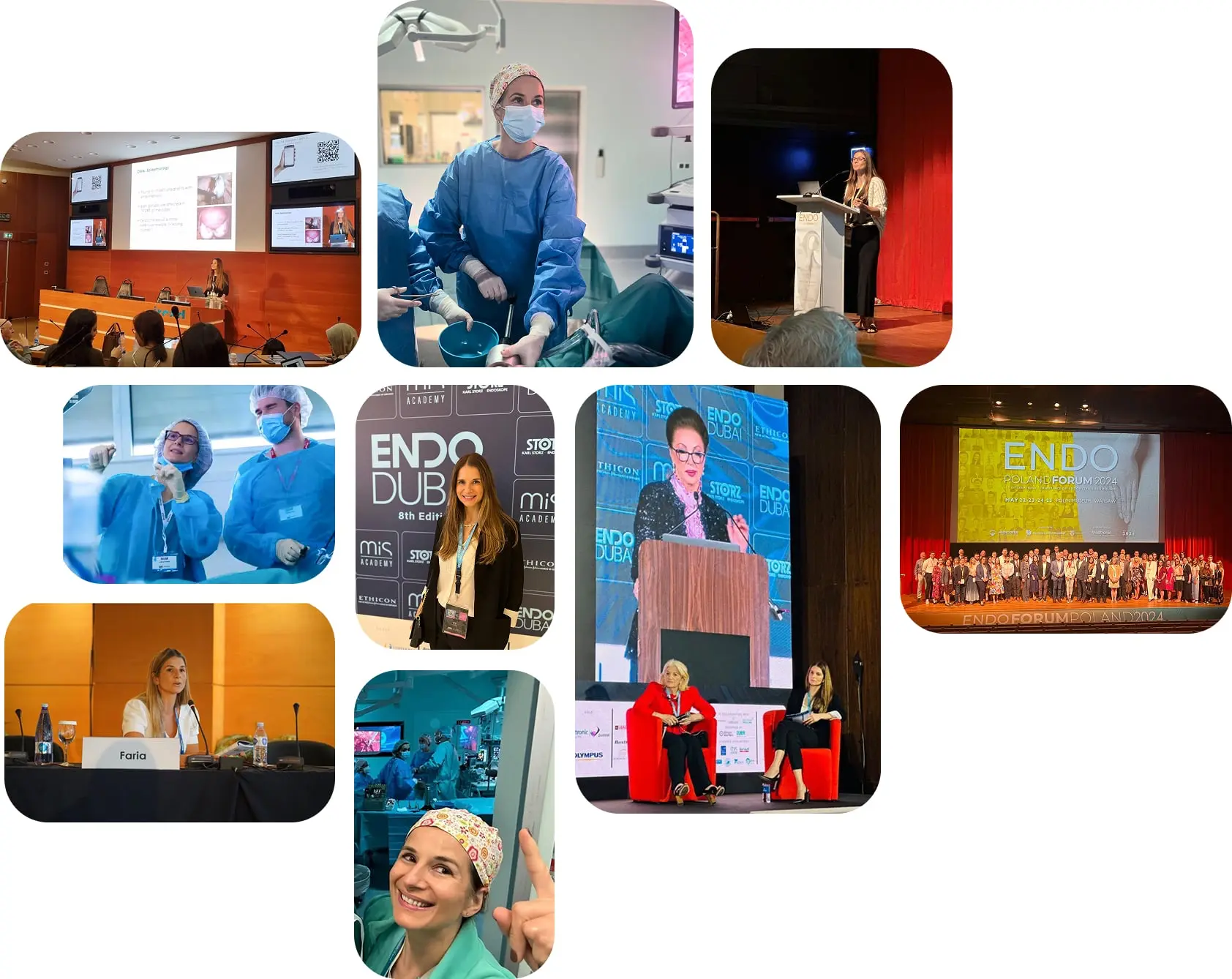
In Lisbon, Dra. Joana Faria provides consultations focused on the diagnosis and treatment of these benign diseases in Portuguese, English, French, and Spanish. The goal is to understand your symptoms, confirm the diagnosis and discuss options that are realistic for your life.
This page gives an overview of reproductive tract diseases. You can find more detail on each condition in the following pages:
- Adenomyosis
- Myomas (uterine fibroids)
- Uterine polyp
- Endometriosis
- Ovarian and tubal cysts/masses
- Polycystic ovary syndrome (PCOS)
What it is
Benign reproductive tract diseases are non cancerous conditions that affect the organs of the female pelvis. They develop in different ways:
- Adenomyosis endometrial tissue (the lining of the uterus) grows within the muscular wall of the uterus, making it thicker and often more painful.
- Myomas (fibroids) benign muscle tumours of the uterus that can grow inside the cavity, in the wall or on the outer surface of the uterus.
- Endometrial polyps small growths of the endometrium that protrude into the cavity of the uterus.
- Endometriosis endometrial like tissue outside the uterus, for example on the ovaries, tubes, pelvic ligaments or peritoneum.
- Ovarian and tubal cysts or masses fluid filled sacs or solid lesions that develop on the ovaries or fallopian tubes.
- Polycystic ovary syndrome (PCOS) a hormonal and metabolic condition that affects ovulation, cycles, skin and sometimes weight and insulin regulation.
Many women have more than one of these conditions at the same time. The impact on daily life varies a lot from person to person. Some women have important changes on ultrasound with few symptoms. Others have severe symptoms with only subtle changes on imaging.
Main symptoms and when to worry
Reproductive tract diseases can cause a wide range of symptoms. The most frequent include:
- Heavy or prolonged periods, sometimes with clots.
- Irregular bleeding or spotting between periods.
- Pelvic pain, menstrual cramps or chronic pelvic discomfort.
- Pain during sexual intercourse.
- A feeling of pressure or fullness in the lower abdomen.
- Frequent urination or constipation due to pressure on the bladder or bowel.
- Difficulty getting pregnant or miscarriages in some cases.
You should consider booking a consultation if you notice:
- Periods that are much heavier than before or last more than 7 days most of the time.
- Cycle changes that persist for several months without a clear explanation.
- Pelvic pain that interferes with work, study, sleep or intimacy.
- A visible increase in abdominal size that is not explained by weight gain.
- Previous ultrasound reports mentioning fibroids, polyps, ovarian cysts or endometriosis and you are not sure what they mean.
- Difficulties getting pregnant or maintaining a pregnancy.
You should seek urgent care if you have sudden intense pelvic pain, especially on one side, pain with fever and strong malaise, or very heavy bleeding with dizziness or fainting. These symptoms may indicate an emergency and should be evaluated quickly.
Diagnosis: exams and what to expect
Diagnosing benign reproductive tract diseases usually combines your symptoms with imaging exams. For many women, a detailed consultation and a high quality pelvic ultrasound provide most of the needed information.
Depending on your situation, the evaluation may include:
- Clinical history
Discussion about your cycle, pregnancies, fertility plans, pain, bleeding pattern, family history and previous treatments or surgeries. - Gynecologic examination
Assessment of the vulva, vagina, cervix and bimanual palpation of the uterus and ovaries. - Transvaginal or abdominal pelvic ultrasound
Key exam to study the uterus, endometrium, ovaries and tubes, identify fibroids, polyps, endometriotic cysts and other masses. - Additional imaging if needed
In selected cases, pelvic MRI or saline infusion sonography can give more detail about the uterus and ovaries. - Hysteroscopy
A small camera introduced through the cervix to look directly inside the uterine cavity, often used to confirm and treat polyps or submucous fibroids. - Blood tests
Evaluation of anaemia, hormones, and sometimes tumour markers or other parameters, depending on your case.
Not every woman needs all these exams. The plan is individual and is discussed with you step by step.
Treatment options and realistic expectations
Treatment depends on the specific condition, on how severe your symptoms are and on your plans regarding fertility and contraception. Often there is more than one reasonable option.
Broadly speaking, the main strategies include:
- Watchful waiting
In women with mild symptoms and small lesions, careful follow up with regular ultrasound can be a safe option. The advantage is avoiding unnecessary treatment; the limit is the risk of symptoms getting worse between visits. - Medical treatment
Hormonal contraception, hormone releasing intrauterine devices and other hormonal medicines can reduce bleeding and pain and stabilise some conditions. They are less invasive than surgery but can have side effects and are not suitable for all women. - Targeted surgery
Hysteroscopic, laparoscopic or open surgery may be recommended to remove polyps, fibroids, endometriosis lesions or ovarian cysts, especially when they cause important symptoms or affect fertility. Surgery can offer strong symptom relief but involves anaesthesia, recovery time and, rarely, complications. - Combined approach
In many cases the best results come from combining medical and surgical options and adjusting the plan over time.
Realistic expectations are essential. Some symptoms may improve significantly but not disappear completely. For chronic conditions like endometriosis or adenomyosis, long term management is often needed rather than a single definitive procedure.
How Dra. Joana Faria approaches these diseases in practice
Dra. Joana Faria knows that receiving a diagnosis such as fibroids, endometriosis or ovarian cysts often raises concerns about pain, fertility and even cancer. Her approach is based on clear explanations and on decisions shared with you.
In daily practice she:
- Listens carefully to your story and to what worries you most.
- Reviews previous ultrasound and MRI images with you whenever possible.
- Explains the benefits and limits of each option, including doing nothing for now, so that you can choose with full information.
- Prefers minimally invasive surgery when surgery is needed and works closely with experienced surgical teams.
- Coordinates care with fertility, pregnancy and surgery specialists when your situation involves several aspects at the same time.
The aim is for you to leave the consultation with a structured plan and the feeling that your symptoms and your future plans have been taken seriously.